A Rafiki Experience
We have been staying about an hour and a half out of Addis beside a crater lake for a long weekend. School was closed Friday to enable staff to rest and recuperate. As I floated across the lake in a canoe yesterday, I can highly recommend it; basic facilities notwithstanding. It is a great opportunity to chat to colleagues about something other than work too which can’t be bad.
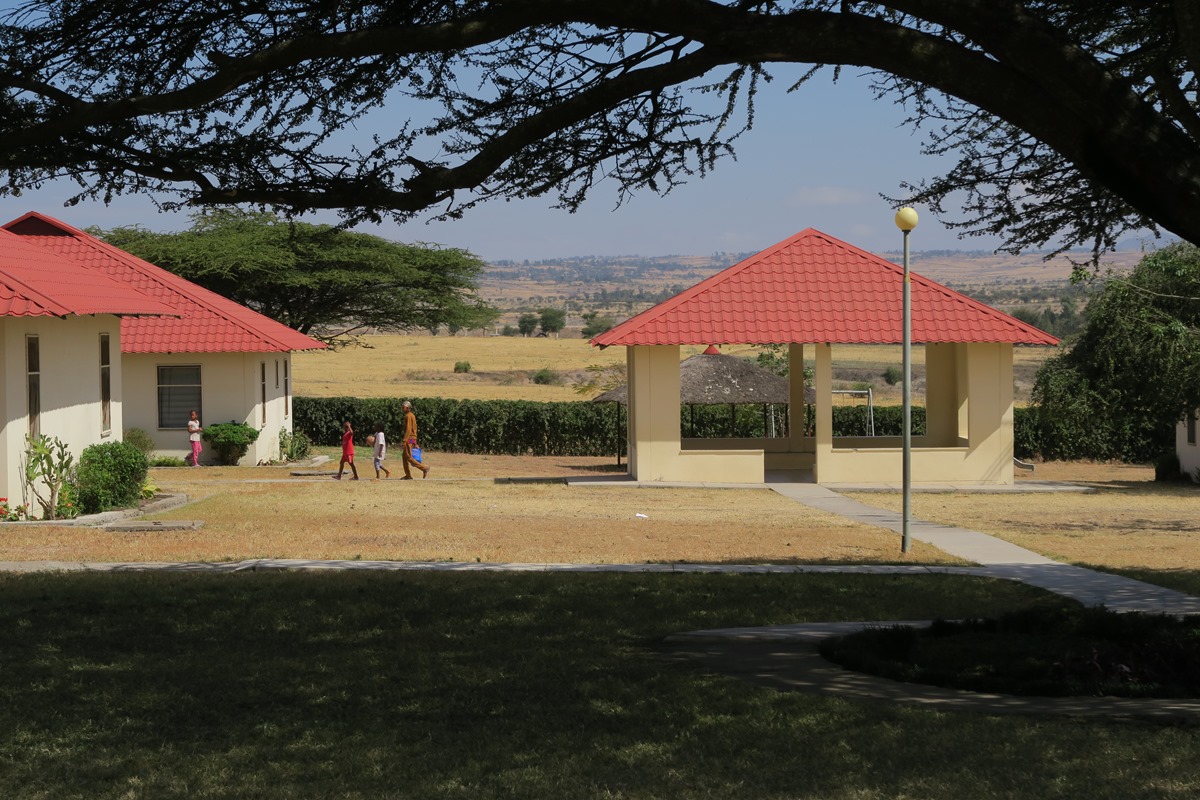 There is a project about 30km away that some of us had heard about. It is run by a couple called the Delaneys who are parents to Kate in the High School at Bingham so they welcomed us and showed us around. The size of the place was the first impression one gained on driving in. 50 acres of scrubland which has taken ten years to develop.
It is called the ‘Rafiki Project of which there are 10 in Africa, 7 are in East Africa. The first one began in Ghana. The Delaneys used to work there before bringing that expertise with them to Ethiopia. They approached the government back in 2005 and said they would build a school and orphanage if they were given land to do so. A generous area was earmarked for them and development began.
Currently they have 52 children resident there. Each individual qualifies for a place only if they are true orphans or have been abandoned. The project arranges sponsorship for each one. 8 or more children live in brick built houses and have an Ethiopian housemother (who is allowed 4 nights off a month). They eat all their meals in the school dining room and their washing is done in a central laundry, so the housemother simply cleans and manages the children’s home life. As we arrived on a Saturday morning the girls had just had their hair braided by the house mother into intricate plaits and each small head glistened with hair oil in the sunshine.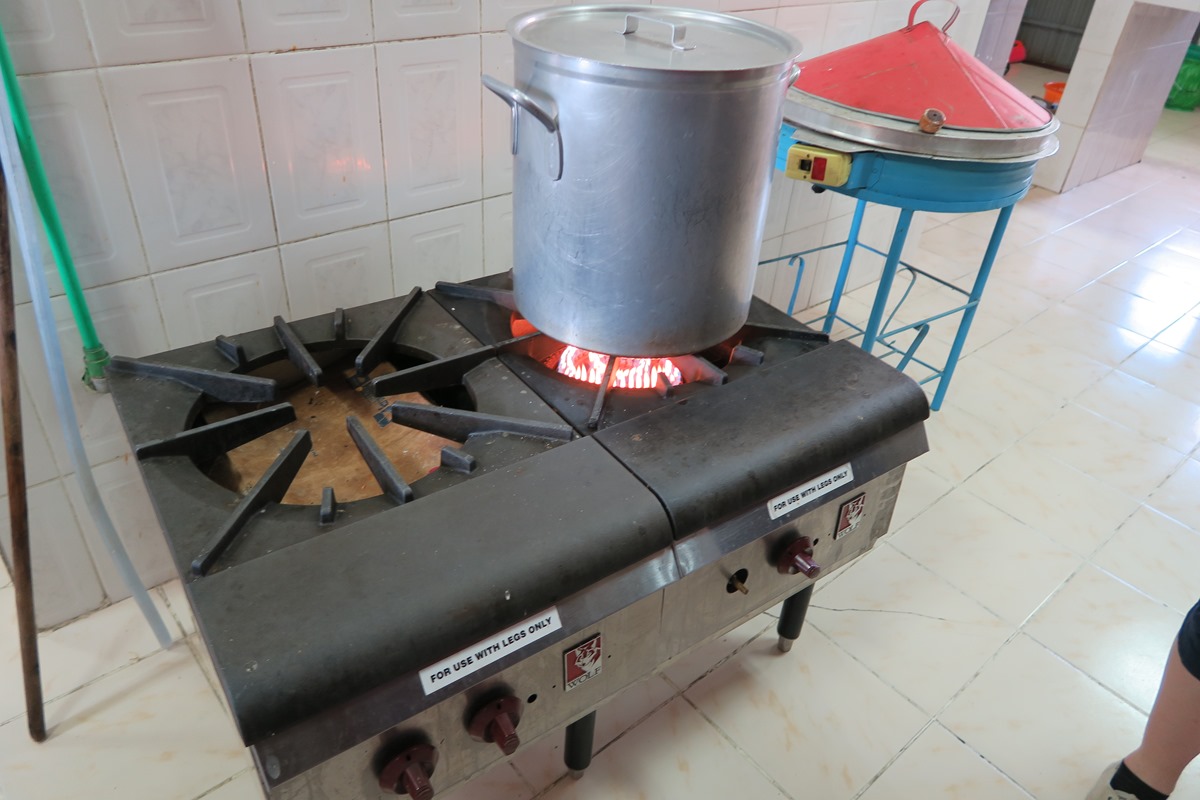
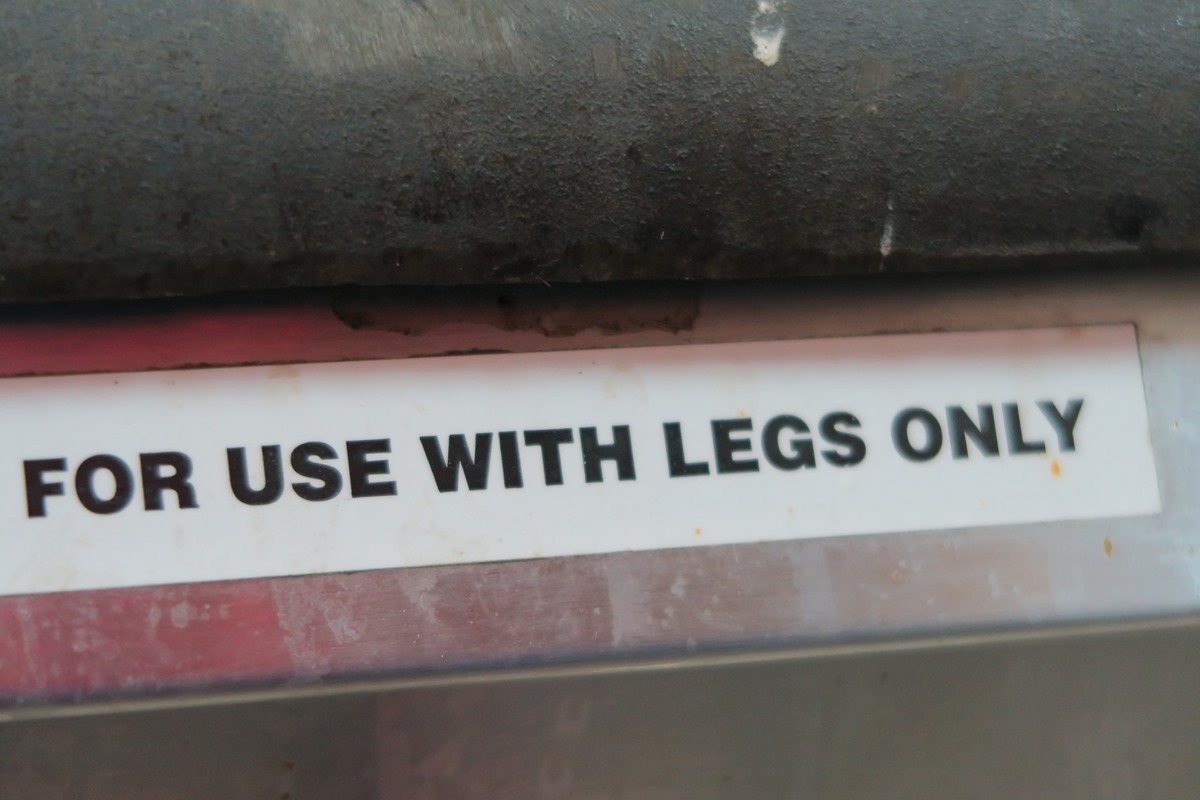 This notice made me smile as we passed through the kitchen and lunch was already bubbling on the stand alone gas hob. One of the significant benefits this project enjoys is the supply of drinkable tap water (something not possible at Bingham or the place we are currently staying). The project set up included the construction of a very deep well so the water supply is safe once it has passed through an Ultra Violet filter.
School takes place in separate classroom buildings and currently caters for children from Kindergarten to Grade 4 (Year 5). There are plans for the school to expand each year through High School as the children grow. The class sizes are made up to a reasonable number by taking local children who are also provided with sponsored places which includes two meals a day and currently they have 30 local pupils.
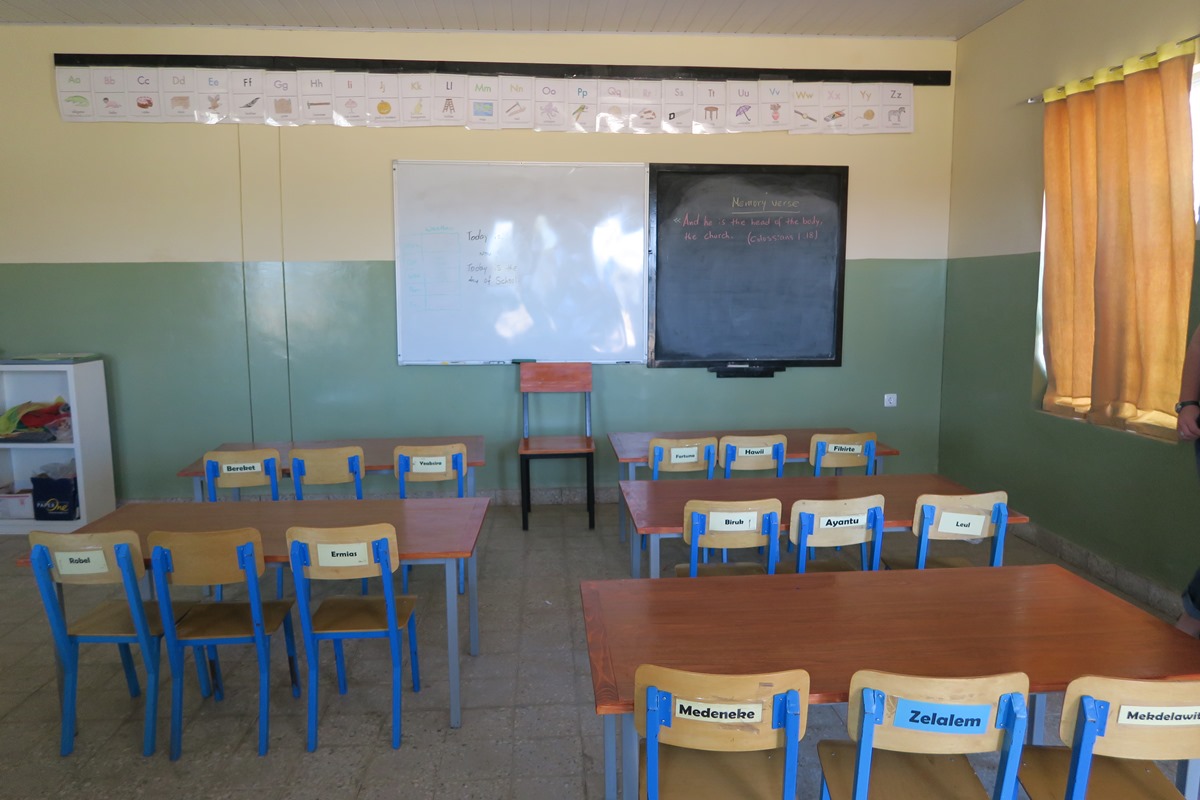 They are taught in English and the local language by Ethiopian teachers. A ‘headmaster’ who is actually female from the US, is working on staff development and manages the day to day running of the school. The Ethiopian curriculum has a requirement for the teaching of ‘morals’. We could hear a Bible class taking place before we entered the room as a group of boys were chanting in unison following their teacher’s lead. Of course they all immediately rose from their seats as a mark of respect for guests and their smiling faces and giggles suggested that they welcomed the brief interlude.
As with all projects this one has not been without its challenges. I could only admire the dedication of the Delaneys who have been willing to bring up their own three children in Africa in order to coax this project to fruition. The little line of happy, healthy looking children that passed us on their way to the main building was testament to Rafiki’s success.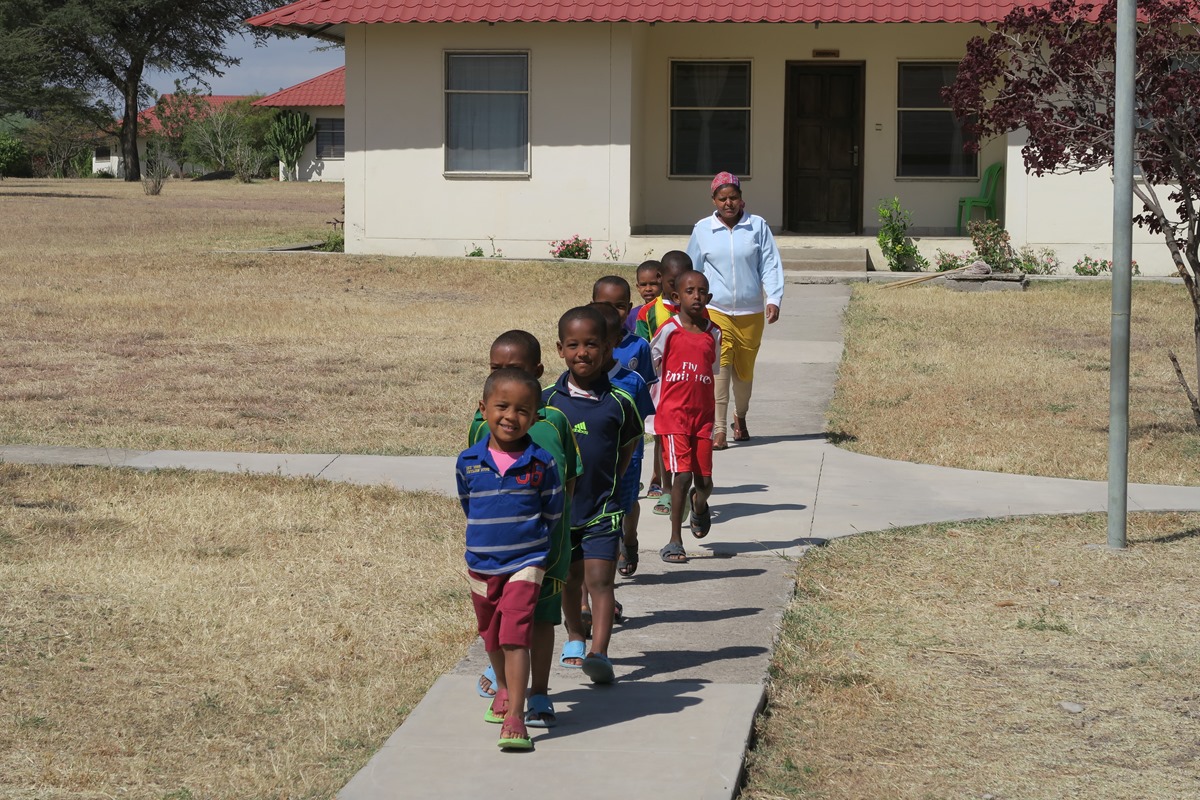
Comments
Beatrice (not verified)
Sun, 29/11/2015 - 20:59
Permalink
A change of scenery, floating
A change of scenery, floating on a lake, time spent with colleagues away from the work place and visiting such a remarkable project must have been refreshing and inspiring. Thank you for describing the Rafiki project.
My friend Aurore is on a trecking holiday in Ethiopia. (Although the trecking holiday is turning out to also include time spent helping locals with her medical knowledge). It's quite something to think that you have now been living and working in the country for years. I will probably never experience and therefore never truly understand what actually living in Ethiopia is like but I really appreciate being able to have the insight that your blog posts provide. Thank you!
Bethany (not verified)
Mon, 30/11/2015 - 13:33
Permalink
Incredible
A wonderful tale of a successful project. How wonderful that you could experience it first-hand! And a great name for the project too!